

Can Neck Tension Really Cause Headaches?
Many people who experience headaches also notice tightness, stiffness, or discomfort in their neck and shoulders.
It’s common to wonder:
“Is my neck causing my headaches?”
The answer is that, in some cases, it can.
The neck and head share a close relationship through muscles, joints, nerves, and connective tissues. When structures in the neck become irritated or sensitive, they can sometimes contribute to headache symptoms.
At Lifespan Osteopathy, we regularly see people who experience headaches alongside neck pain, shoulder tension, or reduced neck movement. While not all headaches originate from the neck, understanding the connection between the two can be an important step towards finding effective management strategies.

Understanding the Different Types of Headaches
Before exploring the relationship between neck tension and headaches, it’s important to understand that headaches come in many forms.
Some of the more common types include:
Tension-Type Headaches
Tension-type headaches (TTH’s) are among the most common headaches experienced by adults.
They are often described as:
- A dull ache or pressure
- A feeling of tightness around the forehead or temples
- Mild to moderate intensity
- Pain on both sides of the head
Many people with tension-type headaches also experience muscle tension through the neck and shoulders.
TTH’s are often linked to stress, poor posture, and muscle tension (3). They are thought to arise due to heightened sensitivity of the central nervous system, and muscle contraction in the head and neck region.
TTH’s can last anywhere from 30 minutes to a week. Females are around 3 times more likely to be affected by them than males. Interestingly, TTH’s are also the most common headache type in children, especially those with anxiety. The average age of patients with TTH is between 25 and 30 years.
People experiencing TTH’s may complain of neck and shoulder region tightness, as well as sleep disturbances.
Cervicogenic Headaches
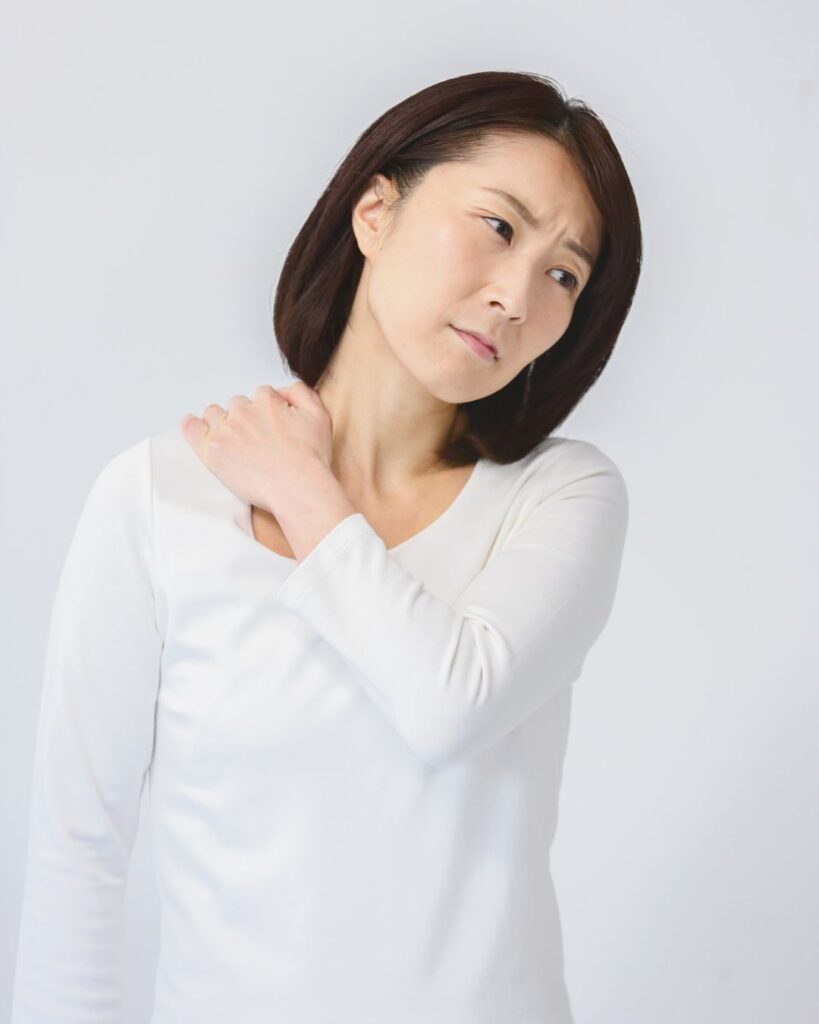
A cervicogenic headache is a headache that originates from structures in the neck.
Rather than the pain starting in the head itself, the pain is referred from joints, muscles, or nerves in the neck.
These headaches arise due to an overlap in the nerve supply of structures in the head with those in the neck. The pain signals from the upper neck region get sent to the part of the brain which also processes pain signals from the head. Sometimes, the brain can’t quite work out where the problem is, and so pain is felt throughout the head.
These headaches often:
- Begin at the base of the skull
- Start on one side
- Spread towards the temple, forehead, or behind the eye
- Are accompanied by neck stiffness or discomfort
Anyone can develop this type of headache, but they are most common in people aged 30-44 years old (1). Males and females are affected roughly equally.
Migraines
Migraines are a complex neurological condition that can involve:
- Moderate to severe headache pain
- Sensitivity to light and sound
- Nausea
- Visual disturbances
Interestingly, many people experience neck pain or stiffness before or during a migraine, which can sometimes make it difficult to determine whether the neck is contributing to the headache or simply part of the migraine process itself.
There is a genetic component to migraine, meaning there is often a family history in sufferers. It is also thought that migraines are influenced by neurological and environmental factors. Research indicates that migraines are linked to a change in brain activity that affects nerve signals, chemicals, and blood vessels within the brain (2).
Around 6% of men and 12% of women will be affected by migraine. The prevalence of migraine increases during puberty, peaks between ages 35 and 39, and tends to decrease later in life, particularly after menopause.
Migraines can be debilitating for sufferers. Migraine is considered the second major cause of disability after back pain in terms of years lived with disability.
Common or possible triggers for migraine include:
- Stress
- Hormonal changes such as menstruation, ovulation, and pregnancy
- Skipped meals
- Weather changes
- Excessive or insufficient sleep
- Odors, such as perfumes and colognes
- Neck pain
- Exposure to lights
- Alcohol use
- Smoking
- Food triggers, such aspartame, tyramine and chocolate
- Exercise
- Sexual activity in a small percentage of cases
People experiencing migraine also need to be cautious not to overdo it with pain medications, and doing so can at times make the condition worse.
What Is a Cervicogenic Headache?
The term “cervicogenic” literally means “originating from the cervical spine,” which is the neck region.
With a cervicogenic headache, structures within the neck become irritated or sensitive, and the brain interprets these signals as pain in the head.
This occurs because nerves from the upper neck and nerves that supply parts of the head communicate within the same region of the nervous system.
As a result, the brain can sometimes struggle to determine exactly where the pain is coming from.
Common features of cervicogenic headaches include:
- Pain that begins in the neck
- Headache on one side more than the other
- Reduced neck movement
- Pain that worsens with certain neck positions
- Tenderness through the upper neck muscles
Not everyone with neck tension has a cervicogenic headache, but the overlap between neck symptoms and headaches is significant.
How Can Neck Tension Contribute to Headaches?
There isn’t usually one single cause.
Instead, headaches associated with neck tension often involve a combination of factors.
Muscle Tension
The neck contains numerous muscles that help support the head and control movement.
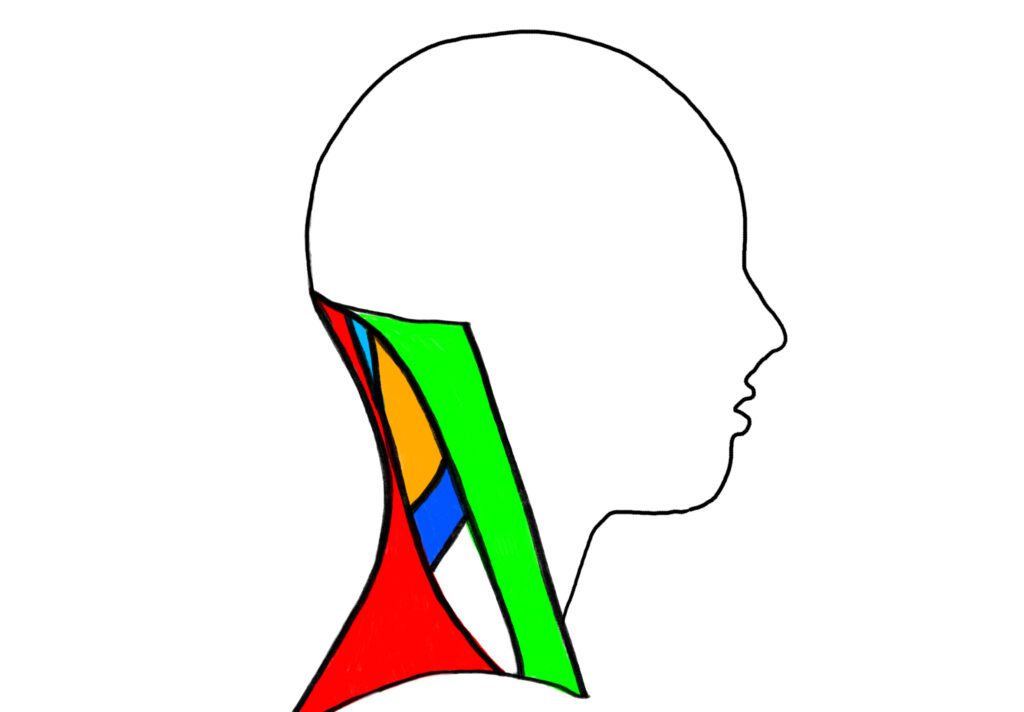
Some of the muscles commonly associated with headache symptoms include:
- Upper trapezius
- Levator scapulae
- Suboccipital muscles
- Sternocleidomastoid
These muscles can become sensitive due to:
- Prolonged positions
- Repetitive activities
- Increased workload
- Stress and fatigue
When these muscles become irritated, they can refer pain into the head, temples, behind the eyes, or around the base of the skull.
Joint Stiffness
The upper joints of the neck play an important role in head movement.
When movement through these joints becomes restricted or sensitive, it may contribute to headache symptoms in some individuals.
People often describe:
- Stiffness when turning their head
- Discomfort looking over their shoulder
- Headaches that worsen after prolonged sitting
Improving mobility and movement confidence can sometimes help reduce the sensitivity associated with these symptoms.
Prolonged Positions
One of the most common patterns we see in clinic involves people spending long periods in the same position.
This may include:
- Desk work
- Working from home
- Studying
- Driving
- Looking down at phones and tablets
It’s important to note that there isn’t one “perfect posture” that prevents headaches.
More often, the issue is spending too much time in any one position without enough movement variation.
Our bodies generally cope better with movement and variety than prolonged static positions.
Stress and Muscle Guarding
Stress doesn’t just affect how we feel emotionally.
It can also influence how our bodies respond physically.
During periods of stress, many people unconsciously:
- Raise their shoulders
- Clench their jaw
- Tighten their neck muscles
- Reduce their breathing efficiency
Over time, this increased muscle activity can contribute to feelings of tension and sensitivity through the neck and upper shoulders.
Stress can also influence how the nervous system processes pain, potentially making existing symptoms feel more intense.
You can learn more about how mindfulness, a common stress management technique, can help pain here.
Signs Your Neck May Be Contributing to Your Headaches
While an assessment is needed to determine the likely contributors to your symptoms, there are some common signs that suggest the neck may be involved.
These include:
- Headaches that begin in the neck
- Pain at the base of the skull
- Reduced neck movement
- Neck stiffness accompanying headaches
- Symptoms that worsen after desk work
- Pain triggered by certain neck positions
- Tenderness through the neck and shoulder muscles
Experiencing one or more of these signs doesn’t automatically mean your headache is coming from the neck, but they can provide useful clues.
When Neck Tension Isn’t the Whole Story
While the neck can certainly play a role in some headaches, it’s important not to assume it is always the sole cause.
Headaches are often influenced by multiple factors, including:
Sleep Quality
Poor sleep can increase sensitivity within the nervous system and reduce the body’s ability to recover from daily stresses.
Stress Levels
Periods of increased stress are commonly associated with increased headache frequency and intensity.
Hydration
For some people, dehydration can contribute to headache symptoms.
Migraines
Migraines can sometimes mimic neck-related headaches and may require a different management approach.
Hormonal Factors
Hormonal fluctuations can influence headache patterns, particularly in some women.
Medical Conditions
Although less common, headaches can occasionally be related to underlying medical conditions that require further investigation.
This is one reason why a thorough assessment is important. Understanding all the potential contributors helps guide the most appropriate management plan.
How Osteopathic Treatment May Help
At Lifespan Osteopathy, we take an individualised approach to headache management.
Rather than focusing solely on where the pain is located, we aim to understand the factors that may be contributing to your symptoms.
This may include assessing:
- Neck movement
- Upper back mobility
- Muscle tension and sensitivity
- Daily activity patterns
- Work and study demands
- Exercise habits
- Stress and recovery factors
Depending on your presentation, management may involve:
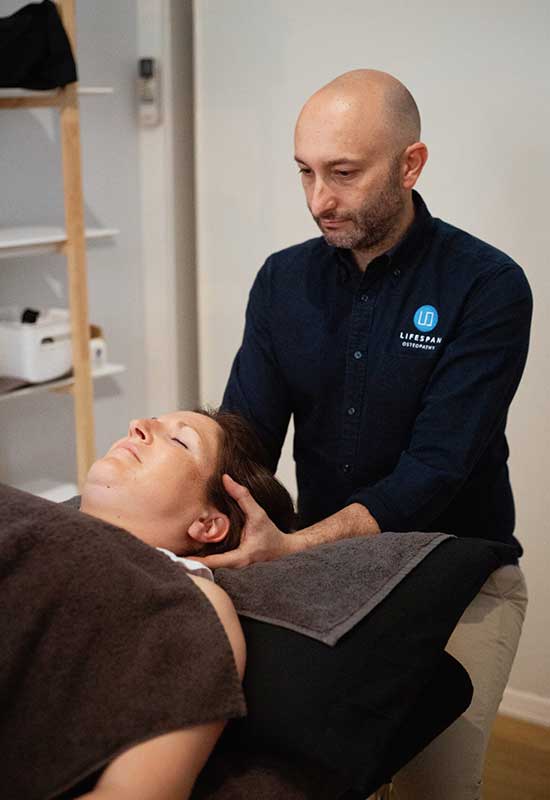
Hands-On Treatment
Hands-on techniques may be used to address areas of stiffness, tension, or reduced movement.
Exercise and Rehabilitation
Targeted exercises can help improve strength, mobility, and movement confidence.
Movement Advice
Simple changes to movement habits throughout the day can often be beneficial.
Ergonomic Guidance
For people spending long hours at a desk, adjustments to workstations and routines may help reduce aggravating factors.
Education
Understanding what may be contributing to your symptoms can help you make informed decisions about managing them.
If headaches are occurring alongside neck pain or stiffness, our team can help determine whether the neck is likely playing a role.
You may also find our article on Why Your Neck Feels Stiff All the Time helpful for understanding some of the common contributors to ongoing neck discomfort.
When Should You Seek Further Medical Advice?
While many headaches are not serious, there are situations where prompt medical assessment is important.
Seek medical attention if you experience:
- A sudden, severe headache unlike anything you’ve experienced before
- New weakness, numbness, or difficulty speaking
- Significant changes in vision
- Loss of balance or coordination
- Headaches associated with fever
- Headaches following significant trauma
- New headaches later in life
- Unexplained weight loss alongside headaches
If you are unsure whether your symptoms require medical attention, it’s always best to seek professional advice.
Key Takeaways
The relationship between neck tension and headaches is complex, but for many people, the two are closely connected.
While not all headaches originate from the neck, factors such as muscle tension, joint stiffness, prolonged positions, stress, and reduced movement can contribute to headache symptoms in some individuals.
Understanding the factors influencing your headaches is often the first step towards finding effective management strategies.
Looking for Help with Headaches in Essendon?
If you’re experiencing headaches alongside neck tension, stiffness, or discomfort, an assessment may help identify whether your neck is contributing to your symptoms.
At Lifespan Osteopathy, we take the time to understand your individual situation and work with you to develop a management plan tailored to your goals and needs.
Whether your symptoms are recent or something you’ve been dealing with for years, we’re here to help you better understand what’s going on and support you in moving forward.
Call on (03) 9372 7714, or book online now.
References:
- Al Khalili Y, Ly NK, Murphy PB. Cervicogenic Headache. [Updated 2022 Oct 3]. In: StatPearls [Internet]. Treasure Island (FL): StatPearls Publishing; 2026 Jan-. Available from: https://www.ncbi.nlm.nih.gov/books/NBK507862/, accessed 17/06/2026.
- Pescador Ruschel MA, De Jesus O. Migraine Headache. [Updated 2024 Jul 5]. In: StatPearls [Internet]. Treasure Island (FL): StatPearls Publishing; 2026 Jan-. Available from: https://www.ncbi.nlm.nih.gov/books/NBK560787/. Accessed 17/06/2026.
- Shah N, Asuncion RMD, Hameed S. Muscle Contraction Tension Headache. [Updated 2024 Dec 11]. In: StatPearls [Internet]. Treasure Island (FL): StatPearls Publishing; 2026 Jan-. Available from: https://www.ncbi.nlm.nih.gov/books/NBK562274/. Accessed 17/06/2026.